

Thank you for Subscribing to Gov Business Review Weekly Brief

Doug Gilchrist
Chief Administrative Officer, City of Kelowna
Building Cities Through Trust, Innovation and Long-Term Thinking
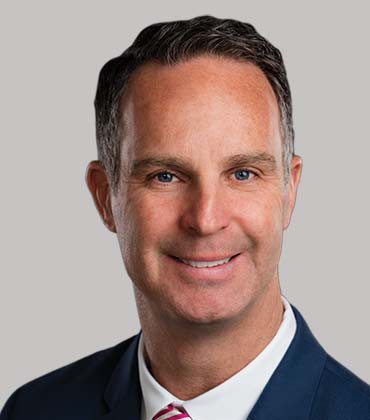
Doug Gilchrist leads the City of Kelowna at a time when municipal governments are being asked to manage growth, maintain services and respond to pressures extending well beyond traditional city responsibilities. For Gilchrist, effective growth management begins with transparency. Explaining why land-use decisions, infrastructure investments and policy changes are necessary helps build the trust and community support required to move them forward. He also sees creativity as increasingly important as traditional legislative tools struggle to keep pace with the changing responsibilities of local governments.
Balancing Growth with Long-Term Responsibility Gilchrist views municipal administration as a responsibility spanning short-, medium- and long-term interests. While elected councils work within four-year terms, city administrators must ensure today’s financial and infrastructure decisions support future generations. Municipal revenues must therefore be efficiently converted into needed services. Service-based budgeting helps elected officials understand the cost and value of increasing or decreasing services, while each investment must also be assessed over its life cycle and for its long-term impact. He applies the same balance to infrastructure planning. Gilchrist believes services and growth should progress together rather than infrastructure being built too early or only after capacity is strained. Kelowna’s airport illustrates this approach. The city pulled back on planned expansion when COVID-19 created uncertainty around future air traffic, then returned to its growth plan and completed the expansion as demand recovered. For Gilchrist, the experience reinforced the need for sound plans that can adapt to changing circumstances while maintaining financial responsibility. Building public trust also requires transparency about how residents’ money is used. Kelowna publishes service levels and costs through operational and capital dashboards, while everyday interactions involving property taxes, bylaws and service requests shape perceptions of government value. Citizen input forms another part of that equation. Gilchrist supports using digital engagement, surveys and other broad input tools to inform decisions, while distinguishing vocal concerns from wider community interests. Public input, he believes, should inform decisions without replacing professional judgment or the role of elected councils.Effective growth management begins with transparency. Explaining why land-use decisions, infrastructure investments and policy changes are necessary helps build the trust and community support required to move them forward.
