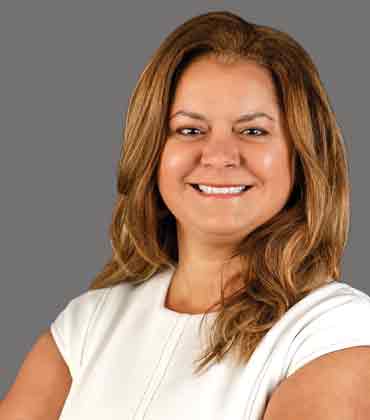
Giovanna Maldonado has spent more than two decades across K-12 education and nonprofit organizations, progressing from classroom teaching to cross-functional leadership. As Chief of Staff at Voices For Children Foundation, she helps connect organizational priorities with people, operations and execution, enabling the organization to grow without weakening its culture, accountability and operational discipline. Giovanna Maldonado has spent more than two decades across K-12 education and
Converting Growth into Organizational Strength
Maldonado confronted this challenge as a founding member of a boarding school modeled on a program in another state. During its startup phase, mission-aligned employees wore several hats and addressed immediate needs through personal commitment. This approach worked initially, but became unsustainable as the organization expanded.
As responsibilities multiplied, unclear ownership, underprepared managers and dependence on a few individuals began limiting progress. Maldonado recognized that a strong mission could not be scaled simply by asking committed employees to work harder. The organization had to be designed to help them perform at their best.
She responded by defining roles, developing leaders and strengthening culture and accountability from the ground up. The framework remained effective after her departure, showing that strong leadership enables others to carry the work forward.
Maldonado applied those lessons across two subsequent positions and now uses them at Voices For Children Foundation. As Voices expands, she works across functions to align priorities with people, systems and operations, ensuring employees understand their roles, how decisions are made and what they need to lead effectively.
You can care deeply about your people while holding them to high standards. For me, effective leadership means setting clear expectations, supporting people with empathy and holding them accountable for their responsibilities.
For Maldonado, structure protects culture. Confusion about ownership and expectations breeds frustration, while clarity shows employees how their work advances the mission. She therefore connects every process to its purpose. In schools, her test was direct: Would this decision benefit students and equip staff to serve them better?
Answering that question begins with listening. Before introducing significant change, Maldonado seeks insight from frontline employees, explains its purpose and incorporates their knowledge into its design. Their involvement improves the decision and builds trust in its implementation.
Developing Leaders Who Own Outcomes
Once the direction is understood, Maldonado converts participation into ownership. Annual and quarterly goals establish a common destination, while one-on-ones, leadership meetings and planning sessions keep progress visible. Employees become accountable for outcomes from beginning to end instead of completing disconnected tasks.
Her coaching helps them exercise that ownership effectively. Guided by “be curious, not judgmental,” Maldonado asks questions rather than prescribing answers. She encourages colleagues to anticipate obstacles, remove barriers and recognize which decisions they can make independently. When they raise a concern, she expects them to bring possible solutions as well.
Continuous feedback strengthens their judgment. Maldonado does not reserve it for formal reviews or allow it to flow only from managers. Employees can manage upward, peers can hold one another accountable and expectations can be clarified before problems impede progress.
“You can care deeply about your people while holding them to high standards. For me, effective leadership means setting clear expectations, supporting people with empathy and holding them accountable for their responsibilities,” she says.
Building Capacity beyond One Leader
For Maldonado, lasting impact requires a strong leadership pipeline. Preparing employees for greater responsibility and anticipating future vacancies ensure that progress does not rest on one executive. This depth also gives senior leaders the confidence to step away without interrupting the organization’s work.
She views financial stewardship, technology and data as equally important to organizational resilience. These priorities are particularly significant in youth-serving nonprofits, where funding often favors programs although consistent delivery depends on the capabilities supporting them.
Data must also show more than how many children a program reaches. Reporting that 400 children were served demonstrates scale but does not reveal whether their lives improved. Organizations need reliable ways to capture outcomes, assess whether programs are producing the intended change and identify where adjustments are required.
Maldonado keeps the human purpose behind this discipline in view. Youth-serving organizations are responding to children, not “widgets.” When a young person needs urgent support, sound infrastructure allows employees to act quickly, responsibly and consistently without allowing urgency to create organizational chaos. Her contribution lies in ensuring that the organization’s leadership and operations remain as strong as the mission they serve.