

Thank you for Subscribing to Gov Business Review Weekly Brief

Jonathan Thatcher
City Attorney, City of Forney
Walking the Line between Law and Public Goals
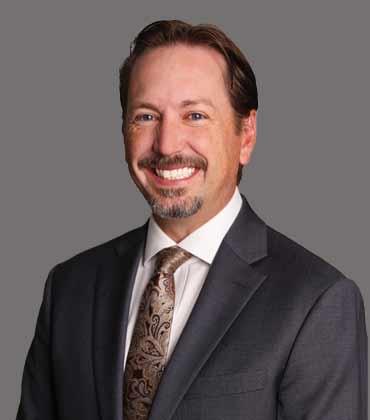
When Jonathan Thatcher entered the City of Forney in 2016, he found millions of dollars committed to a development that had yet to materialize. A tax increment reinvestment zone included roads, a bridge and other public infrastructure, but little economic activity had followed. As city attorney, he saw that the reimbursement agreement was heavily weighted toward the developer and could leave the city paying millions, with interest adding to the burden for years.
Thatcher brought the issue to management and city council members and advocated for renegotiating the agreement. While the developer was reluctant to give up favorable terms, the city had to demonstrate that a revised arrangement could offer added value to both sides and help spur development. After difficult negotiations, the agreement was renegotiated in late 2018 on terms more beneficial to the city and developer. Since then, property values within the zone have increased by more than $1.2 billion, reflecting subsequent growth in the area. The judgment behind that approach was shaped years earlier in Rockwall County. As assistant district attorney and civil division chief, Thatcher served as lead counsel to the commissioners’ court and, for much of his tenure, was the only attorney in the civil division. The position required him to spot issues quickly, prioritize the court’s needs and give officials concise legal advice. It also demanded restraint because public officials could take an attorney’s words as law. When he did not know an answer, he learned that it was better to say so, research the issue and return with a reliable answer than to shoot from the hip. The same approach carries into his work with Forney’s elected officials, who may arrive with clear goals before confronting legal and financial constraints. Thatcher helps them understand those constraints, weigh the legal ramifications and navigate the different roles of state, county and local government. His role goes beyond identifying what cannot be done, helping the council find where its goals and the law can meet and building consensus along the way.My job isn’t to be the person who just always says no, but to take what they’re trying to achieve as a group and help find where there’s consensus among their colleagues.
