
Gov Business Review Magazine

Mouhamad Zaher has been recognized by Gov Business Review as the recipient of “Public Works Director of the Year - 2026,” based on a defined selection methodology reflecting their leadership, professional impact, and standing within the industry. This profile has been developed by the Gov Business Review research and editorial team based on insights from an interview with Mouhamad Zaher, Public Works Director.

Mouhamad Zaher

Public Works Director, City of St. Helens

The Long View of Public Works Leadership
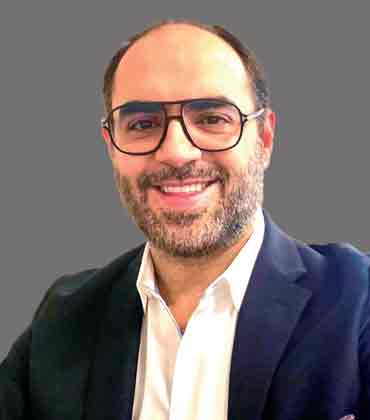
Mouhamad Zaher

Mouhamad Zaher is Public Works Director for the City of St. Helens, bringing over 15 years of executive leadership experience across engineering, infrastructure development, finance, operation, project management, technology, and public administration, alongside advanced municipal management credentials.

When a water main approaches the end of its service life or a road begins to deteriorate, a public works director faces an immediate question about the repair. The more consequential question concerns what caused the problem, what a delay could cost, and how the decision will affect the community years from now. Mouhamad Zaher approaches municipal infrastructure through that wider lens. At the City of St. Helens, Oregon, he weighs urgent service needs against the long-term condition of the systems residents depend on every day.

“For me, the underlying principle is community stewardship. Public infrastructure represents a significant investment by the community, and the responsibility of Public Works is to take care of those assets while making transparent, practical decisions about where limited resources will have the greatest public benefit,” says Zaher.

Zaher brings more than 15 years of combined experience across public and private sectors to this responsibility. His work has spanned public works & city administration, infrastructure and economic development, semiconductor projects, civil and construction engineering, enterprise technology, and waterfront development. He has led multimillion-dollar projects and holds a Bachelor of Science in Civil Engineering and a Master of Science in Engineering and Technology Management. Advanced certificates in municipal management and public works, along with the Certified Public Works Professional, Management (CPWP-M) credential through the American Public Works Association and the Credentialed City Manager Candidate (ICMA-CM) designation through the International City/County Management Association, add to his preparation for the role.

The breadth of that experience matters because the city’s infrastructure operates as a connected system. Zaher oversees engineering, water, wastewater, stormwater, streets, parks, fleet, finances, and other public infrastructure, along with city administration, the staff, daily operations, capital improvement planning, construction, maintenance, and regulatory responsibilities attached to them. A decision affecting one asset may influence another department, a construction schedule, public access, or the continuity of an essential service. He therefore considers the operational and financial consequences of decisions across the wider municipal system.

Prioritizing Risk, Reliability, and Lifecycle Value

Municipal public works operates under a persistent constraint. The needs almost always exceed the resources available. Aging infrastructure, emergency repairs, regulatory requirements, resident expectations, and planned capital projects compete for the same funding and staff time. Zaher approaches those competing demands by assessing risk and service impact. He considers threats to public safety, the reliability of essential services, environmental conditions, and the city’s financial position before setting priorities. The most visible problem does not automatically become the most urgent one.

That approach places asset condition and lifecycle value at the center of infrastructure planning. Water, sewer, stormwater, roads, and other assets require continual attention, even when a municipality lacks the funding to replace them outright. Condition assessments and preventive maintenance help extend useful life and reduce the likelihood of expensive failures. Zaher balances routine operations with maintenance and strategic capital improvements, asking what the city needs to address now and what it must preserve for the future. 

Good coordination comes down to prompt communication, preparing well and taking responsibility. When everyone knows their role and can raise issues early, projects are more likely to stay on schedule.

The same discipline shapes how he evaluates investments. Construction cost offers only one part of the financial picture. Future demand, operating requirements, maintenance obligations, and the city’s ability to sustain an asset over time also matter. Zaher’s background in engineering and technology management informs his understanding of project lifecycles, while his experience in financial management and resource allocation helps connect technical requirements with municipal priorities. His approach considers feasibility and design, procurement, construction, implementation, and final delivery as parts of one investment decision.

Resource constraints also require practical choices about how the department gets work done. Zaher considers when city staff should lead an effort, when outside contractors make sense, and where partnerships, grants, or coordination with other agencies may help extend available capacity. Emergency readiness forms part of the same planning discipline. Trained employees, established procedures, and a clear understanding of critical assets help the department respond to infrastructure failures, severe weather, or water system problems while keeping routine services moving.

Coordinating Projects and Building a Reliable Team

Project delivery tests a public works leader’s ability to see beyond the construction site. A road project may affect traffic, adjacent utilities, wastewater systems, nearby businesses, residents, and the schedules of other city departments. Zaher works to establish scope, responsibilities, standards, schedules, and communication protocols before work begins. Coordination around permits, inspections, utility conflicts, and access helps identify problems early and limit avoidable delays. Internal coordination also ensures that a project supports the city’s broader operating needs instead of disrupting them.

Residents experience public works through practical outcomes. They want potholes repaired, streets maintained, utilities functioning, and projects completed on schedule. They may not see the technical, regulatory, and financial constraints behind those expectations, so Zaher considers communication part of project delivery. He emphasizes timely information about construction activity, road closures, utility work, anticipated disruption, and changes to schedules. He also expects commitments to be documented, responsibilities assigned, and outstanding issues followed through. Essential services must continue while major projects move ahead.

“Good coordination comes down to prompt communication, preparing well and taking responsibility. When everyone knows their role and can raise issues early, projects are more likely to stay on schedule,” states Zaher.

His approach to coordination extends to the people responsible for maintaining the city’s infrastructure. Zaher sees public works as a team operation in which field employees, supervisors, and administrative staff each contribute to dependable service. He sets clear expectations, gives employees ownership of their responsibilities, and encourages them to raise concerns, share knowledge, and involve colleagues closest to a problem. Trust and accountability work together when employees have the authority, support, and tools to carry out their roles.

Continuous improvement also depends on learning from daily operations. After significant projects or events, Zaher encourages the team to examine what worked, what fell short, and what could improve the next response. Documenting institutional knowledge helps preserve operational experience, while listening to field staff brings practical insight into asset conditions and maintenance needs. Those habits strengthen the department’s ability to adapt when emergencies disrupt normal priorities.

For Zaher, the measure of public works leadership lies in the condition of the systems the community relies on and the organization’s ability to keep them dependable over time. His approach connects engineering knowledge with financial stewardship, project management, and a commitment to public trust. By weighing immediate needs against long-term consequences, preparing employees to respond, and directing limited resources toward the greatest public benefit, he demonstrates the qualities recognized by the Public Works Director of the Year 2026 award.