

Thank you for Subscribing to Gov Business Review Weekly Brief

Muckleshoot Indian Tribe
Ada McDaniel, Ed. D, Former Emergency Management Director
Leading Emergency Preparedness through Partnership
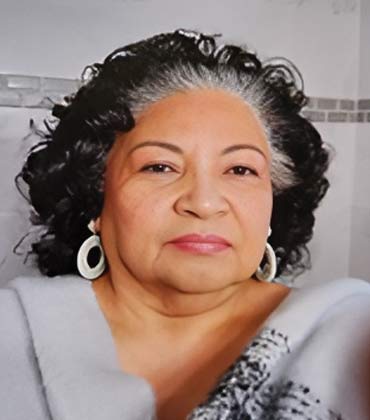
Ada McDaniel
Experiences That Shaped My Approach in Emergency Management and Organizational Preparedness
When I was first assigned to the position of Emergency Manager, I had to wing it and begin meeting with all 29 tribes in Washington State through quarterly meetings. I also began meeting with our city, state, federal and other partners who have a stake in this work. I was given tours of Emergency Operations Centers throughout the tribes, cities and counties, places most folks never knew existed. I was invited to King County meetings and attended as many as I could. I noticed the word “tribes” was never mentioned in the discussions. I kept bringing it up because I wanted an answer. It had never been thought of before, so they soon added the word to the agenda after I asked. I just wanted them to be sure to include the tribes. How difficult was it when there were only two tribes in King County? After this happened, I felt the doors were opening for tribes to be mentioned and noticed. I then met Lynda Zambrano, who formed Northwest Tribal Emergency Management. She showed me what we needed to become compliant with mitigation planning. I also met Lee Shipman of Shoalwater Bay Tribe, who guided me and began adding me to several state emergency management committees. The unique strengths tribes have for survival have been around for centuries. We are not alone in this effort to save our people when man-made or natural disasters occur. There are no border lines or walls. When Mother Nature decides she wants to take her land back and restore it to its natural state, she just does it with no notice given. However these events happen, we all need to be prepared, stay prepared, build relationships with those who have more experience and teach those who have less. Balancing Proactive Planning, Risk Mitigation and Rapid Decision-Making I’ve learned patience through planning, attending training and understanding that these events are a part of reality and can happen at any time. Training in this field is very important because it covers every aspect of what may or may not happen and teaches you to be prepared. It takes a team approach to sit at a table and discuss the pre- and post-event effects that will impact the communities dependent on you. It takes more than one person to make rapid decisions that serve the greater good of all people. Leadership Lessons It has been 32 years of employment with the Muckleshoot Tribe for me. The skill set, along with the confidence emergency management has taught me, is something I can carry into any position because every department needs to know the basics of emergency management. A leader has to build lasting, trusting relationships, be willing to embrace both new and experienced ideas and have a willingness to share Indigenous knowledge. Emerging Threats and Trends Technology, the use of artificial intelligence and the new generations bringing these skills into the workforce are changing emergency management while we still face the oldest threat of all, man-made disasters. I admire all the new technology being used and invented, but there will be a generation gap in how current and outgoing generations use these tools and apply their ways of knowing. To the Upcoming Public Safety Leaders Do not be biased or pre-judge what tribes have to offer or question how advanced tribes are on this subject. I was just one person learning this skill to help save hundreds, if not thousands, of lives. We are all sitting on a time bomb here in the Pacific Northwest. We are all in this together. We need to continue learning from each other for the greater good of all people.The articles from these contributors are based on their personal expertise and viewpoints, and do not necessarily reflect the opinions of their employers or affiliated organizations.
