

Thank you for Subscribing to Gov Business Review Weekly Brief

City of Huntington Beach
Darrin Witt, Deputy Chief of Operations
Building a Culture of Readiness in Emergency Response
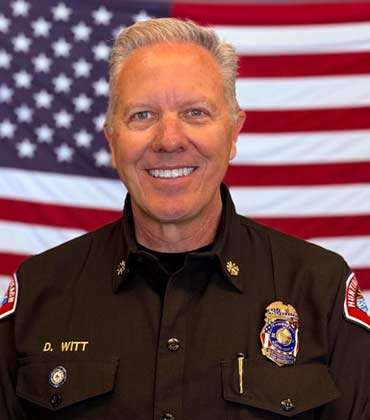
Darrin Witt
Making Readiness a Habit
For us, it comes down to whether our people can perform the moment the tones sound, without having to think twice about who's doing what. That means trained personnel, apparatus that's actually been checked rather than assumed to be ready and a command structure everyone already understands before they need it. But the equipment side is the easy part. What's harder to build is the mindset, and that's where exceptionality comes in for us—not resting on past performance, always asking what "better" looks like next shift. A crew going through the motions responds differently than one that genuinely cares about getting sharper. Readiness is what happens when high standards stop being a goal and become a habit nobody thinks twice about.
The Courage to Surface What’s Not Working
Gaps don't usually show up with a warning label. They show up in a training exercise that felt a little off, an after-action review where someone hesitates before answering or a close call that worked out fine but easily could not have. The only way you catch those early is if people feel safe enough to say something, which is really a question of Humility on the part of leadership—being willing to listen without needing to be right and treating an honest mistake as something to learn from rather than punish. It's also Integrity: being honest with your team about what went wrong, even when it's uncomfortable and following through on the fix instead of letting it quietly disappear. Once people trust that speaking up won't cost them, problems surface while they're still cheap to fix. The hard part isn't the fix. It's building a culture where the problem gets mentioned at all.
Trust Built before the Tones Sound
Readiness is what happens when high standards stop being a goal and become a habit nobody thinks twice about.
Complex incidents don't respect jurisdiction maps, so the coordination has to already exist before the emergency does. That means training alongside neighboring fire departments, law enforcement and marine safety on a regular basis, not scrambling to figure out radio protocols mid-incident. It also takes real social awareness; understanding what the other agency is dealing with, their constraints and priorities and communicating in a way that keeps everyone informed instead of working in silos. A lot of that groundwork happens nowhere near an emergency at all. It's knowing the person on the other end of the radio by name, having a mutual aid agreement already signed instead of negotiated on scene. When that trust already exists, coordination during a crisis just feels like something you've done before, because you have.
A Broader Mission, A Different Skill Set
Staffing and recruitment top the list for me. The demands of this job, physically and mentally, are real and agencies have to be deliberate about developing people rather than just filling seats, which is where legacy comes in. The measure of a good leader isn't what they accomplished themselves, it's how well they prepared the people coming up behind them. Striving to develop a recruitment to retirement protocol is paramount to creating a legacy that matters. Call volume is shifting too. A lot more of what we respond to now is medical or behavioral health related rather than structure fires, which demands a broader skill set than this job used to require. Technology is a mixed bag as well: better mapping and communications tools genuinely help, but only if training and buy-in keep pace with the purchase order. None of these get solved by one department alone. They get solved by people who show up with Passion, day after day, even when the work is unglamorous.
Leadership that Outlasts the Leader
Get clear early on why you're doing this—that's what carries you through the parts of the job that aren't glamorous. Talent gets you noticed, but Integrity and Humility are what actually build a career: being honest, staying coachable, doing the right thing when nobody's watching. Find people ahead of you who'll tell you the truth, and don't hoard responsibility just because you can—teach it to someone else instead. That's legacy in practice, long before anyone calls it that. Rank on your collar doesn't make you a leader on its own; plenty of people lead from wherever they're standing. Bring genuine passion to the work, stay socially aware of the people around you and how well you listen and build trust will matter more, over time, than anything on your resume. The old adage is true, “there is no limit to what a man can do or where he can go if he doesn’t mind who gets the credit”.
The articles from these contributors are based on their personal expertise and viewpoints, and do not necessarily reflect the opinions of their employers or affiliated organizations.
