
Thank you for Subscribing to Gov Business Review Weekly Brief

City of Panama City, FL
Kristen Kennedy, Public Affairs Manager, City of Panama City
The Role of Digital Communication in Keeping Communities Informed and Connected
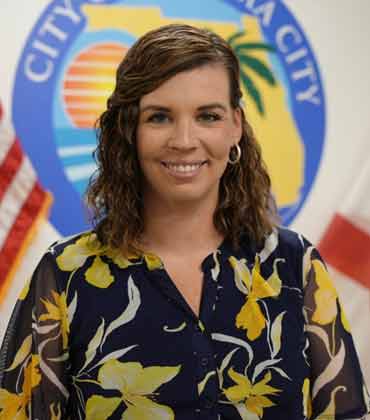
Kristen Kennedy
I believe one of the most important things local government can do is make sure residents have the information they need, when they need it. That sounds simple, but the way people get information has changed dramatically. Today, people are checking their phones, scrolling through social media, reading emails and searching online for answers. If we want to reach residents, we have to meet them where they are.
Creating a More Responsive Digital Government One of the biggest initiatives I have led with the City of Panama City has been transforming how we communicate with our community. We have expanded social media, redesigned our website, introduced a digital newsletter, increased our use of video and launched a mass notification system, while also moving services like utility billing and permit applications and tracking online. The goal is not simply to use more technology, but to make government more accessible, understandable and responsive. A key part of that strategy is making the City’s website our central information hub. Whether residents first see something on social media, in traditional media, through email or by text, we provide a path back to the website for complete information, details and updates. This creates a consistent, trusted reference point while allowing each communication channel to serve its purpose. Building Trust through Better Communication Just as important, we use digital platforms to listen. Social media gives us insight into the questions residents are asking, the topics generating conversation and areas where information may need clarification. A single question or recurring concern can help us identify when we need to explain something further, provide additional information or create a video or other resource. In that sense, social media is not just a way to communicate with residents—it is also a way to listen to them. Two-way communication is important to building trust. Government communication should not be a one-way street where we simply put information out and move on. We need to listen, respond and show residents that we are paying attention. These efforts help bridge the communication gap between government and citizens, but they also create a path toward greater trust. When residents can easily find information, understand what their government is doing and see that their questions are being heard, the government becomes more accessible and the relationship becomes stronger..The goal is not simply to use more technology, but to make government more accessible, understandable and responsive.
The articles from these contributors are based on their personal expertise and viewpoints, and do not necessarily reflect the opinions of their employers or affiliated organizations.
