

Thank you for Subscribing to Gov Business Review Weekly Brief

Fairfax County
Scott Brillman, Director, Fairfax County Department of Public Safety Communications
Artificial Intelligence - The Next Evolution of 911
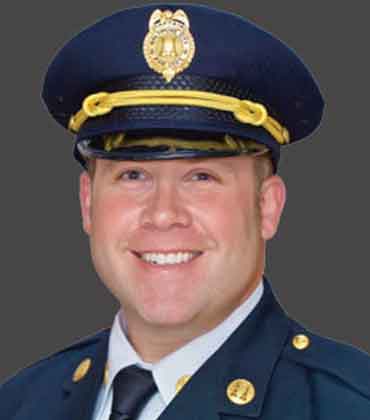
Scott Brillman
For more than half a century, the mission of 911 has remained remarkably consistent: answer every call, gather critical information and get the right resources to the right place as quickly as possible. While that mission has never changed, the tools available to emergency communications professionals are evolving faster than at any point since the creation of 911 in 1968.
Our mission remains the same. Our tools are next generation. Artificial intelligence represents the next evolution of emergency communications. Despite the headlines, AI is not replacing 911 dispatchers. It is empowering them. By reducing repetitive tasks, organizing vast amounts of information and delivering actionable intelligence in real time, AI enables 911 professionals to make faster, more informed decisions when every second counts. Today’s emergency communications centers manage far more than voice calls. Text-to-911 messages, live video, photographs, automatic crash notifications, wearable devices, alarms and increasingly sophisticated location data can all arrive simultaneously. AI helps organize, prioritize and interpret this growing volume of information, allowing 911 dispatchers to focus on what matters most: helping people in crisis. Assisting Non-English 911 Callers One of AI’s most immediate benefits is real-time transcription. Dispatchers and first responders can now follow conversations as they unfold, allowing critical details to be identified more quickly while reducing cognitive workload during high-stress incidents. AI is also helping agencies better serve diverse communities through real-time language translation, reducing delays and improving communication with non-English-speaking callers during the critical first moments of an emergency. AI Bots Handling Non-Emergency Calls AI is also transforming how agencies interact with the public before a 911 dispatcher even answers the phone. AI-powered virtual assistants can handle routine administrative calls, answer common questions, direct callers to the appropriate government agency and process certain non-emergency reports. Every routine interaction handled by AI allows highly trained emergency communications professionals to remain focused on life-threatening emergencies. Drones First on Scene Perhaps the most exciting advancement is that AI is no longer confined to the communications centers. It is becoming the connective link between 911, Real-Time Crime Centers (RTCCs), Drone as First Responder (DFR) programs and field responders.Artificial intelligence represents the next evolution of emergency communications. Despite the headlines, AI is not replacing 911 dispatchers.
The articles from these contributors are based on their personal expertise and viewpoints, and do not necessarily reflect the opinions of their employers or affiliated organizations.
