

Thank you for Subscribing to Gov Business Review Weekly Brief

Village of Port Chester
Stuart L. Rabin, Village Manager
Strengthening Local Government through Visionary Leadership and Collaboration
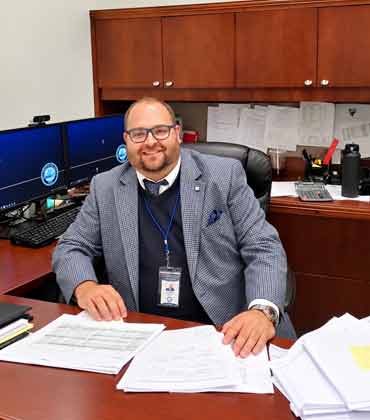
Stuart L. Rabin
Stuart Rabin has served as Village Manager of Port Chester since November 2020, advancing initiatives that improve residents' quality of life, support economic development and strengthen community partnerships.
Building Consensus around a Shared Vision One of the greatest challenges we face as local government leaders, village managers, and professional staff is building consensus around a common purpose. This requires more than simply securing agreement; it demands a collaborative relationship between elected officials and professional staff, grounded in a shared vision, clearly defined priorities, and a mutual understanding of how to achieve them. In Port Chester, this means establishing the policies, mechanisms, and administrative framework necessary to protect the interests of residents and taxpayers while advancing the Village’s long-term goals. Navigating this process is rarely simple, particularly when balancing competing priorities, fiscal responsibilities, and community expectations. That is why a consistent vision, a clearly articulated path forward, and measurable benchmarks for success are essential to transforming collective aspirations into meaningful, lasting progress. Shaping Development around Community Life Economic development for me starts with a committed vision. In Port Chester, nearly 6,000 housing units have been conditionally approved since the village adopted its form-based zoning code. To actually guide that development strategically, however, new development requires public-space activation, infrastructure revitalization and community programming. These investments help create a community where people want to live, work, and raise a family. Adapting Plans According to Shifting Priorities With Port Chester’s Form-Based Code firmly established and the first wave of new housing developments beginning to take shape, we have laid the foundation for our community’s long-term buildout. Now, our focus must shift to what comes next: leveraging this initial growth to create more diverse housing opportunities, encourage homeownership, revitalize surrounding neighborhoods, and strengthen the infrastructure and public services that support our growing population.Economic development for me starts with a vision, a plan and an understanding of where residents see the community heading.
The articles from these contributors are based on their personal expertise and viewpoints, and do not necessarily reflect the opinions of their employers or affiliated organizations.
