

Thank you for Subscribing to Gov Business Review Weekly Brief

Spanish Fork City
Trevor Sperry, Emergency Manager and Fire Inspector
Building Stronger Communities through Preparedness
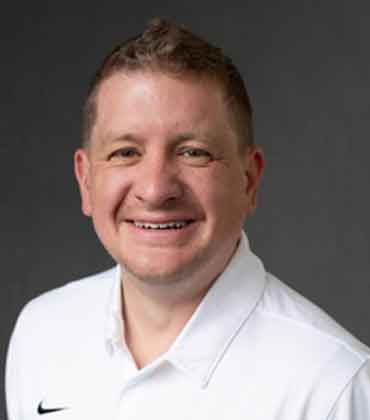
Trevor Sperry
A Proactive Approach to Community Resilience
Proactive emergency management focuses on reducing risk before disasters occur by emphasizing mitigation, preparedness, planning, training, public education and strong partnerships. Building resilient communities requires collaboration among government agencies, first responders, private organizations, nonprofits and the public to identify hazards, strengthen infrastructure, improve emergency plans and promote individual and community preparedness. By investing in risk reduction, exercising emergency plans and fostering a culture of preparedness, communities are better equipped to withstand, respond to and recover from disasters while minimizing impacts to lives, property and critical services. Building Stronger Partnerships for Emergency Response Emergency managers, fire services, local government and community organizations strengthen preparedness and response by working together before disasters occur. This includes developing and exercising emergency plans, sharing information, coordinating resources, conducting joint training and establishing clear communication channels. Engaging community organizations, businesses, schools and volunteers helps build a whole-community approach that increases public preparedness and expands response capabilities. Strong partnerships, regular collaboration and coordinated decision-making improve situational awareness, enhance resource management and enable communities to respond to and recover from emergencies more effectively. Strengthening Communities Before Disasters Occur Throughout my experience as an Emergency Manager and Fire Inspector, I have learned that the most important thing I can do is help prepare my community before an emergency or disaster occurs. Prevention and mitigation are the foundation of effective emergency management, but they cannot be accomplished alone. Building strong relationships with local agencies, neighboring jurisdictions, businesses, volunteer organizations and community members is essential. We need to know who can support us during an emergency, what resources are available and how we can work together to meet the community's needs. By identifying our greatest hazards and risks and building our capabilities around them, we strengthen our ability to respond and recover and build back better. These proactive efforts make our community more resilient and better prepared for whatever challenges the future may bring.By identifying our greatest hazards and risks and building our capabilities around them, we strengthen our ability to respond and recover.
The articles from these contributors are based on their personal expertise and viewpoints, and do not necessarily reflect the opinions of their employers or affiliated organizations.
