
Thank you for Subscribing to Gov Business Review Weekly Brief

City of Arlington
Troy Williams, Director of Community Development
Perspectives as a Community Development Leader
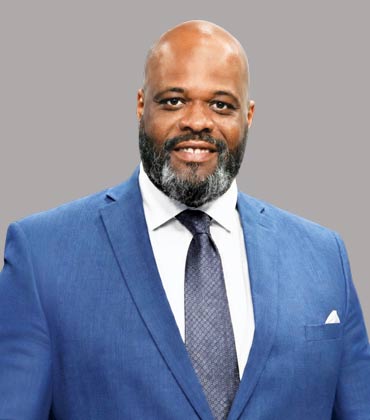
Troy Williams
My career in Community Development has been grounded in a commitment to servant leadership and meaningful community engagement. Effective service requires understanding both the lived experiences of residents and the priorities of local stakeholders. When we intentionally seek to understand community needs, we are better positioned to establish a shared vision, set priorities, develop effective strategies, and measure outcomes that promote transparency, accountability, and lasting impact. This process is iterative. As we continuously engage, assess, and adapt, we strengthen community relationships, foster collaboration, and implement solutions that are more responsive and effective.
Connecting Economic Growth with Community Opportunity One of the most important principles of community development is recognizing that economic growth, community needs, and long-term development goals are interconnected. These priorities should not be viewed in isolation. Instead, they represent a continuum of strategic investments that advance both individual opportunity and collective prosperity. By approaching them in this way, municipalities can pursue meaningful development that addresses today’s challenges while building toward a shared vision for the future. Across the country, communities are embracing this integrated approach. A growing example is the alignment of housing affordability and accessibility with economic opportunity through workforce and transitional housing, transportation investments, workforce training programs, and targeted business incentives. These initiatives recognize that economic mobility and community wellbeing are deeply connected. As community development professionals, we must continue to champion holistic strategies that align with local priorities, address critical community needs, and expand access to economic opportunity. Collaboration is essential to achieving these outcomes. Federal, state, and local governments, businesses, nonprofit organizations, and philanthropic partners all play important roles in addressing increasingly complex social and economic challenges. Success requires clear alignment, shared goals, and intentional partnerships. As budgets tighten and community needs evolve, public-sector leaders must be effective stewards of limited resources while continuing to innovate and pursue new opportunities. Businesses and community-serving organizations can serve as valuable partners in advancing a shared community vision while fulfilling their respective missions. The philanthropic sector plays a unique role by helping address unmet needs and strengthening community-serving organizations. Strengthening Communities through Collaboration and Innovation In Arlington, partnerships among the Arlington Tomorrow Foundation, local chambers of commerce, business service providers, and nonprofit organizations are helping build organizational capacity while expanding support for small and local businesses. Through outreach, networking, financial education, and professional service connections, these collaborations are creating stronger organizations and greater community impact. Arlington also continues to leverage public-private partnerships to meet critical community needs while supporting economic development. Looking ahead, technology presents significant opportunities to strengthen community engagement and improve service delivery. As local governments expand the use of artificial intelligence, business intelligence platforms, and integrated data systems, community development efforts can become more responsive, efficient, and data-driven. These tools can help identify emerging needs, improve resource allocation, and support informed decisions that advance long-term community goals. For those considering a career in community development, my advice is simple: remain curious and commit to lifelong learning. Few areas of government offer such a broad opportunity to connect organizational priorities with community aspirations. Success in this field requires adaptability, collaboration, and a willingness to lead in unfamiliar spaces. Most importantly, we must never lose sight of our profession’s shared purpose: improving the quality of life for all who live, work, and invest in our communities.The articles from these contributors are based on their personal expertise and viewpoints, and do not necessarily reflect the opinions of their employers or affiliated organizations.
