

Thank you for Subscribing to Gov Business Review Weekly Brief
Gov Business Review: Specials Magazine
Gary Camarano
From Evaluating Deals to Building Regions
For more than three decades, Gary Camarano evaluated commercial and investment opportunities by considering capital returns and financial exposure. The work helped banks and businesses determine whether a transaction presented an acceptable balance of risk and reward. Today, as Economic Development Director for Whiteside County, Illinois, he applies that discipline to decisions that affect an entire region. Every project must answer a broader question: Can it strengthen the workforce, prepare the region for what comes next and create lasting value for the community? Creating Opportunities for Community Growth Camarano places business retention at the center of his strategy. While business attraction makes headlines, he prioritizes understanding the needs of existing businesses, particularly around workforce development, and helping them expand. When vetting prospective companies, he seeks partners whose goals align with the region’s strengths and that are committed to growing alongside the community. He also considers their reputation, performance in other communities and potential demands on local utilities. His approach extends beyond short-lived incentives to building long-term partnerships through workforce training, site preparation and infrastructure investment. The goal is not simply to attract a company but to establish a relationship that continues well beyond the incentive period and delivers lasting value to the region. Turning Broadband into Economic Opportunity That long-term perspective is evident in one of Whiteside County’s most consequential regional initiatives. When the COVID-19 pandemic exposed the lack of reliable broadband across rural communities, Camarano recognized a once-in-a-generation opportunity to reshape the region’s economic future. He viewed broadband expansion as transformative infrastructure, comparable to rural electrification in 1939 and the development of the interstate highway system in the 1950s.

Government Relations
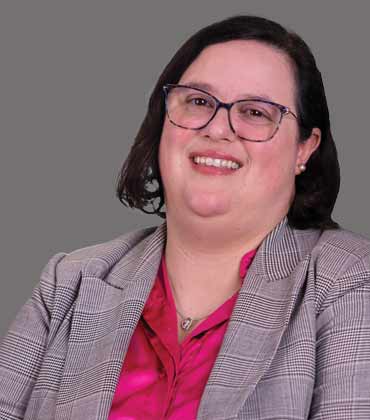
Aimee Alcorn-Reed is the City Attorney for Kyle, Texas. She joined Kyle in 2024 after spending more than a decade with the City of Corpus Christi and established the city’s in-house legal office. A University of Texas School of Law graduate, she handles matters ranging from agreements and ordinances to personnel matters, economic development, water projects, litigation and transparency. Her work also continues a family tradition in municipal law that goes back three generations. When Aimee Alcorn-Reed joined the City of Kyle in 2024, she took on more than the role of City Attorney. She built the city’s in-house legal operation, transitioning Kyle from contract counsel to a dedicated City Attorney’s Office. For nearly two years, Alcorn-Reed was the city’s sole in-house attorney, handling essentially every legal matter moving through the organization while laying the foundation for a growing legal operation. Today, she serves as Kyle’s chief legal officer, advising City Council, the City Manager, department heads and staff. She manages the municipal court prosecutor and outside litigation counsel, reviews agendas and legal documents, and attends all Council, board and commission meetings to provide legal advice. These responsibilities keep her closely engaged with the legal questions that come with Kyle’s growth.
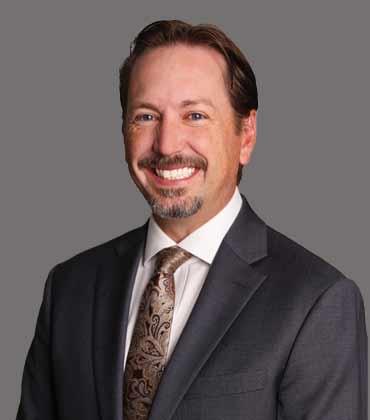
When Jonathan Thatcher entered the City of Forney in 2016, he found millions of dollars committed to a development that had yet to materialize. A tax increment reinvestment zone included roads, a bridge and other public infrastructure, but little economic activity had followed. As city attorney, he saw that the reimbursement agreement was heavily weighted toward the developer and could leave the city paying millions, with interest adding to the burden for years. Thatcher brought the issue to management and city council members and advocated for renegotiating the agreement. While the developer was reluctant to give up favorable terms, the city had to demonstrate that a revised arrangement could offer added value to both sides and help spur development. After difficult negotiations, the agreement was renegotiated in late 2018 on terms more beneficial to the city and developer. Since then, property values within the zone have increased by more than $1.2 billion, reflecting subsequent growth in the area. The judgment behind that approach was shaped years earlier in Rockwall County. As assistant district attorney and civil division chief, Thatcher served as lead counsel to the commissioners’ court and, for much of his tenure, was the only attorney in the civil division. The position required him to spot issues quickly, prioritize the court’s needs and give officials concise legal advice. It also demanded restraint because public officials could take an attorney’s words as law. When he did not know an answer, he learned that it was better to say so, research the issue and return with a reliable answer than to shoot from the hip. The same approach carries into his work with Forney’s elected officials, who may arrive with clear goals before confronting legal and financial constraints. Thatcher helps them understand those constraints, weigh the legal ramifications and navigate the different roles of state, county and local government. His role goes beyond identi
Crisis Management
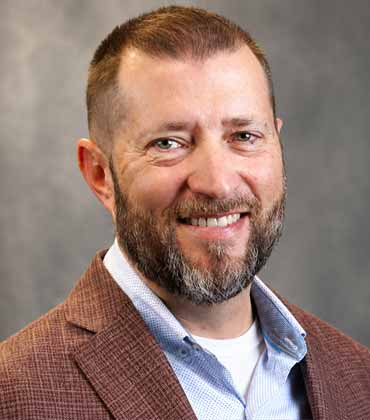
There is No Perfect IT Org Chart, But There is a Better Way to Reduce Friction
Craig Poley, CIO, City of Arvada
Govt Consulting
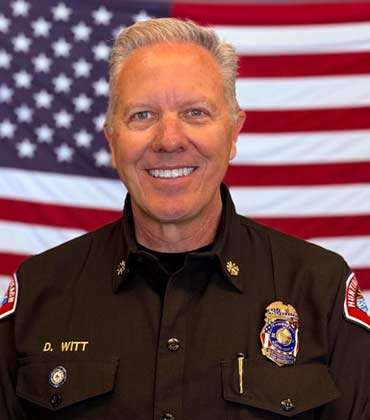
Building a Culture of Readiness in Emergency Response
Darrin Witt, Deputy Chief of Operations,City of Huntington Beach
Government Relations
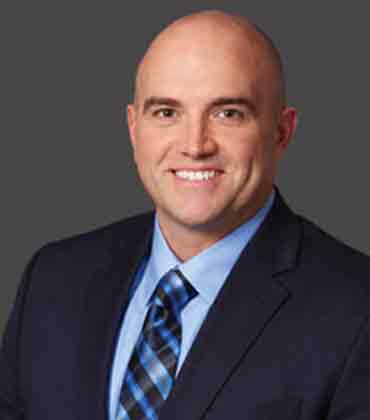
Making Government Clearer and Closer
Dion Louthan, City Manager, City of Sparks
Government HR
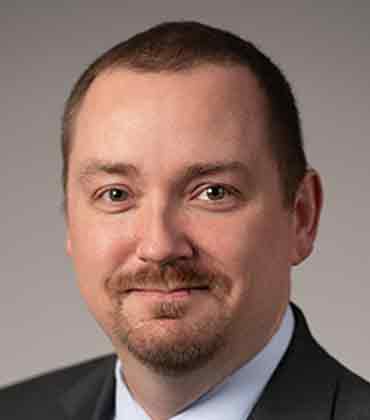
Building Leaders through Trust and Ownership
Chad Powell, Chief Technology Officer, City of Irving
Government Relations
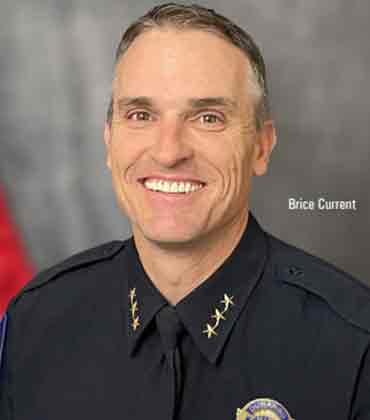
The Leadership Trap of "Good Enough"
Brice Current, Chief of Police, City of Durango

IN MY OPINION
Government HR
Leading Digital Transformation in Local Government
Keith McMellen, Director of Data Strategy, Analytics, and AI Integration, City of Sandy Springs
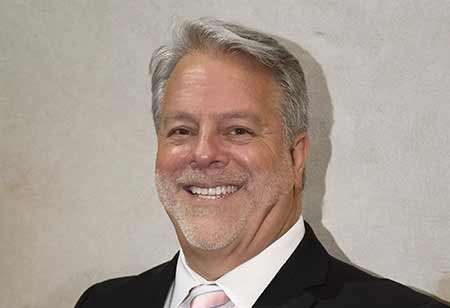
LAST WORD
Government Relations
Leading Enterprise Technology With a Team-First Mindset
Ed Althof, Interim Chief Information Officer, County of Orange
IN FOCUS

Human Resources Consulting Advances Workforce Strategy across Latin America
Workforce transformation is increasing demand for strategic HR guidance that improves employee engagement, talent management and organizational performance across Latin America.
Reshaping Recruitment in Latin America: Embracing Flexibility and Innovation
Hiring strategies across Latin America are becoming more digital, flexible, and candidate-focused to improve recruitment efficiency.
EDITORIAL
Shaping Stronger Communities through Strategic Public Leadership
Effective local government increasingly depends on leaders who can connect economic priorities, legal judgment and long-term community needs. This issue of Govt Business Review examines how public-sector professionals are turning those responsibilities into practical outcomes for their communities.
At the center is Gary Camarano, Economic Development Director, Whiteside County, recognized as Economic Development Director of the Year 2026. Drawing on more than three decades of investment and commercial experience, Camarano applies disciplined evaluation to regional economic development, looking beyond short-term incentives toward workforce development, infrastructure and lasting business relationships. His work on a regional broadband initiative helped secure USD 91 million in state funding, contributing to a USD 121 million project expected to deploy more than 1,500 miles of fiber and reach more than 10,000 homes, businesses and institutions.
This issue also highlights Aimee Alcorn-Reed, City Attorney for Kyle, Texas, and Jonathan Thatcher, City Attorney, City of Forney, among the Top 10 City Attorneys in Texas 2026. After joining Kyle in 2024, Alcorn-Reed set up the city’s in-house legal office, helping to build legal expertise while advising city leaders on economic development, water projects, agreements, and daily operations. She aims to find practical solutions for the city’s goals while protecting taxpayers and public resources from risk.
Thatcher brings a similarly practical perspective to municipal law. At Forney, he helped renegotiate a development agreement that was heavily weighted toward the developer, resulting in terms more beneficial to both sides. Since then, property values within the zone have increased by more than USD 1.2 billion. His approach concentrates on helping elected officials understand legal constraints while finding areas where public goals and the law can meet.
Together, these profiles illustrate how economic development and municipal law can support stronger, more prepared communities. Explore the issue to examine the people and practices shaping the future of local government.
