

Thank you for Subscribing to Gov Business Review Weekly Brief
Gov Business Review: Specials Magazine

Deb Callies
A Broader Vision for Housing and Opportunity
For Deb Callies, housing is not simply about where someone lives. It can shape whether people have access to the education, healthcare, employment and economic opportunities that influence the quality of their lives. As Director of Housing for the City of Greeley, Callies has focused her work on shaping housing policy and programs around those connections, particularly how housing location affects access to opportunity. “Where we live determines what opportunities we have for economic growth, education, healthcare and mental health care,” says Callies. Callies brings more than 20 years of experience across affordable housing, workforce development and grant-funded programs. Shaped by her background in sociology and her study of how historical and socioeconomic conditions influence where people live and the opportunities available to them, she sees housing as closely connected to education, healthcare, employment and access to nearby resources. Her personal and professional experiences have reinforced her view that housing location can shape economic mobility, health and long-term quality of life. Callies’ perspective became particularly clear when she compared Greeley’s maps. The city is 46 percent people of color, and she observed that areas showing poverty and those where black and brown residents primarily live are essentially the same. Her perspective is also shaped by what she describes as “two Americas,” a divide she connects to the historical exclusion of Black Americans from homeownership and the resulting differences in opportunities to build wealth. For her, recognizing these patterns is essential to understanding why housing policy cannot be separated from the broader question of who has access to opportunity. That perspective also shapes how Callies approaches Greeley’s growth. The city still has greenspace and projected growth, creating room to establish neighborhoods with a full spectrum of incomes from the beginning. She believes m
Top Federal Communication Headset System 2026
Secure Headset Group® (SHG)
Keeping Communication Reliable in Mission-Critical Environments
Aaron Gitler, CEO
In secure federal environments, reliable communication is nonnegotiable, making the systems that carry it critical to mission success. A headset in this space is the endpoint of a larger chain, where audio clarity, compatibility and interoperability influence how effectively users communicate when it matters. Drawing on 40 years of headset manufacturer experience and Department of Defense relationships, Secure Headset Group® (SHG) treats headsets and push-to-talk peripherals as part of the system. It manufactures and distributes equipment that provides clear audio, durability and comfort. SHG’s recognition as the Top Federal Communication Headset System 2026 reflects its strong compliance posture, standout lifecycle support and record of performance in secure federal environments. Combining engineering expertise with security and compliance, SHG helps maintain mission-critical operations with minimal downtime. It serves federal agencies and sensitive compartmented information facilities, public safety, 911 and air traffic control environments, providing solutions that integrate with existing systems and support them throughout their lifecycle. “Critical communication and no downtime are not marketing words for us. We live and breathe them 24/7,” says Aaron Gitler, CEO. Innovation Driven by Requirements At SHG, compliance is not an afterthought; it is built into the product. Its secure military line meets Trade Agreements Act, National Defense Authorization Act Section 889 and Federal Information Processing Standard 140-2 requirements, and is built in accordance with the Department of Defense Memorandum on Collaboration Peripherals in Secure Spaces. This gives agencies operational confidence while reducing procurement and supply-chain risk. Developing the appropriate solution begins with understanding the user’s environment. Communication with agencies’ engineering teams helps identify connection requirements and performance needs. Plug-and-play interoperability connects equipment across different environments. Products ship within 48 business hours from controlled inventory.
Firefighter Training

Burleson EDC
Economic Development through Relationships and Community Alignment
Alex Philips, Economic Development Director, Burleson EDC
Alex Philips is an experienced economic development professional with a relationship-driven approach to business and community growth. With deep expertise in operational planning and strategic initiatives, he creates sustainable local growth and strong community engagement. In an interview with Government Business Review, Philips discussed relationship-driven economic development and workforce alignment through targeted training initiatives. He also highlighted the importance of infrastructure readiness in sustaining long-term community and business growth. Managing Economic Development across Business and Community At the City of Burleson, I oversee a three-member team focused on economic development initiatives. Together, we oversee new business recruitment across retail, master-planned development, residential, commercial and industrial sectors while also supporting businesses already operating in our community. Our work involves helping businesses connect for cross-promotion and providing insight into their markets, including where customers are coming from and how they engage. We support our Old Town district, driving tourism and organizing events that sustain community activity. Burleson’s identity resonates most with businesses that value a family-friendly environment, strong schools and a community built on shared values. Over time, we have seen a number of family-owned businesses become part of our local economy. The annual Project U Leadership Conference provides low-cost professional development for community leaders, giving them practical tools that support long-term growth and success. Supporting Businesses through Relationship-Driven Insights We rely on relationships with site selectors, industry leaders outside our market and key stakeholders to understand what businesses are looking for before turning to data. Data plays an important role, but understanding business needs through those relationships always comes first.
Loudoun County Department of Economic Development
Strengthening Communities through Economic Growth
Buddy Rizer, CEcD, EDP Executive Director, Loudoun County Department of Economic Development
Buddy Rizer is a strategic economic development leader known for driving Loudoun County’s growth into a global data center hub. With expertise in business expansion, technology infrastructure and public policy, he has played a major role in attracting billion-dollar investments and strengthening regional economic development. As Executive Director of Economic Development for Loudoun County, my role is to position the county for long-term economic success while aligning growth with the priorities of residents and the Board of Supervisors. That work includes business recruitment, business retention, international business development, entrepreneurship, workforce initiatives, and rural economic development. The objective is to maintain a comprehensive strategy that balances economic opportunity with stewardship. Over the past two decades, Loudoun County has seen more than USD 65 billion in commercial investment and 60,000 announced jobs. During that period, we focused on diversifying the economy across aerospace, cybersecurity, life sciences, advanced manufacturing, logistics, and digital infrastructure. Alongside large-scale business recruitment, we created Launch Loudoun to support small businesses as they start, scale and soar, ensuring that economic growth benefits the broader community. In that time, we increased the commercial tax base from roughly 19 percent to more than 50 percent of the county’s total tax base. That growth reduced the tax burden on residents while supporting investments in public infrastructure and community programming. Growth, Transparency and Long-Term Competitiveness My approach to economic development has always focused on long-term competitiveness rather than short-term wins. Loudoun County’s growth has been built through policy consistency, infrastructure investment, and public-private collaboration over
City of Hemet
Repositioning Hemet Through Active Economic Development
Benigno Sandoval, Economic Development Director, City of Hemet
Benigno Sandoval didn’t initially aspire to city leadership. He began in the trenches, working directly with small businesses and learning their operational realities firsthand. After earning a degree in business administration and a public relations minor from California State University, Dominguez Hills, he spent 13 years at the Southeast Los Angeles County Workforce Development Board, engaging with 50,000 businesses across every sector. That frontline experience reinforced his determination to advocate for small enterprises navigating indifferent systems. Empathy as Economic Policy When I arrived in Hemet, first as economic development manager and later as director, I found a historically overlooked rural city where 98 percent of the businesses are small. The common assumption that these enterprises generate substantial income is misleading. In reality, the average small business here earns about USD 46,000 a year. That statistic defines my approach. It instilled in me a deep empathy for owners struggling to stay afloat. I speak their language, move at the speed of business, reduce friction and deliver realistic solutions, while maintaining the checks and balances that protect the wider community. Cities do not create businesses. They create the conditions that convince businesses to invest, grow and stay. My job is to build, strengthen and constantly improve those conditions. From Passive Positioning to Active Market Creation For 50 years, California cities could rely on geography and freeway access to attract investment. In Hemet, we shifted from passive positioning to active pursuit. We now operate like headhunters, proactively identifying opportunities, courting businesses and removing obstacles so they can succeed here. My portfolio spans new and existing development, management of more than 50 city-owned properties, community events and hands-on support for local operators. Whether it is zoning, incentives, grants or day-to-day challenges, we hel

City of Seguin
Building Communities before Building Economies
Alora Wachholz, Director of Economic Development and Executive Director of SEDC, City of Seguin
Alora Wachholz serves as Director of Economic Development and Executive Director of the SEDC, where a deep commitment to public service guides her leadership. Shaped by her upbringing in a small town and firsthand experience with economic hardship, she believes economic development is ultimately about improving lives. By championing quality jobs, educational opportunities and businesses that value people, she works to strengthen families, build resilient communities and create lasting economic opportunities that benefit both individuals and the region. Growth That Belongs: Matching Opportunity to Community I’ve never believed that every business investment or development project belongs in every community and that’s okay. Every community is shaped by its own people, history, heritage and culture. Those qualities aren’t cookie-cutter and development shouldn’t be either. Growth comes to communities because of what makes them unique and the goal is to ensure that growth strengthens, rather than changes, that identity. Every community is also at a different stage of its growth, with its own goals and priorities. I’ve learned it’s important to consider that, lean into it and be proud of where that community is. Whether the focus is creating primary wage jobs, enhancing quality of life or preparing for the next phase of development, growth should match the community’s needs at that time. Putting people first and respecting where a community is in its market cycle is what makes development successful.

City of Milton
Putting Community at the Center of Economic Development
Stephen Prestesater, Economic Development Director, City of Milton
Stephen Prestesater is a seasoned government professional whose experience across federal, county, and municipal roles now informs his work to shape Milton’s economic future, from infrastructure and workforce needs to business development, long-term planning, and regional partnerships. Everything stems from relationships and communication, Stephen Prestesater recalls, reflecting on the lessons his career has taught him. His journey has taken him from managing programs for the U.S. Navy to coordinating large-scale events, developing government standards and leading public communications across city and county government. Despite the varying roles, Prestesater saw a common vision in how much progress depended on people working together. Today, as Economic Development Director for the City of Milton, Prestesater brings that perspective to a community in the midst of rapid growth. Prestesater’s career began with the Department of Defense as a recreation aide while attending San Diego State University. He progressed into program management, running large-scale events and rewriting program standards across the Navy. A series of moves followed as his wife advanced through the Navy. The family relocated to Pensacola, where Prestesater started in municipal government, joining the City of Milton in public relations and communications. The next move took them to Everett, Washington, where he worked as a public information officer for Snohomish County. When the Navy sent them back to Pensacola, a vacancy brought him back to Milton as Economic Development Director, a role he has now held for nearly three years. Building the Capacity to Support Growth At Milton, Prestesater is focused on ensuring the city can keep pace with the growth taking shape across the community. Santa Rosa County grew 10.5 percent between 2020 and 2024, bringing more residents and economic activity to the area. But it has also exposed a gap between what the community is gaining and what it can s

Town of Freedom
Driving Sustainable Growth while Preserving Community Character
Adam Ruechel, Administrator & Economic Development Director, Town of Freedom
Adam Ruechel is an economic development professional who has long focused on how communities can grow without losing what makes them worth calling home, balancing responsible development, infrastructure planning, and long-term community character while working with residents, businesses, and leaders. Guiding Freedom’s Growth with LongTerm Vision Freedom has grown beyond its roots as a small farming community. With more than 6,300 residents, the town is seeing more interest in residential, commercial and industrial development. For Ruechel, the challenge is making room for that growth without losing the rural character residents value. His perspective began taking shape in the Village of Hobart, where he started his career as assistant administrator. Hobart was one of Wisconsin’s fastest-growing communities, giving Ruechel experience with residential subdivisions, multifamily apartments, commercial and industrial projects and tax increment financing districts. He saw development from both sides, understanding the limitations municipalities faced while hearing directly from developers about their challenges. That experience still guides his decisions. He listens to elected officials, residents, developers and businesses before deciding what makes sense for the community. Not every project is right simply because it brings development. The question is whether it fits Freedom’s priorities and can be supported over the long term. Aligning Development with Financial Responsibility That judgment matters when a project requires new infrastructure. For a small municipality, extending a road or bringing water and sewer to a site can require substantial investment before there is any guarantee of when development will follow. Ruechel looks closely at who takes on that risk and what it could mean for taxpayers. Freedom has moved many of its tax increment financing initiatives toward pay-as-you-go financing. Developers take on infrastructure costs while the taxes
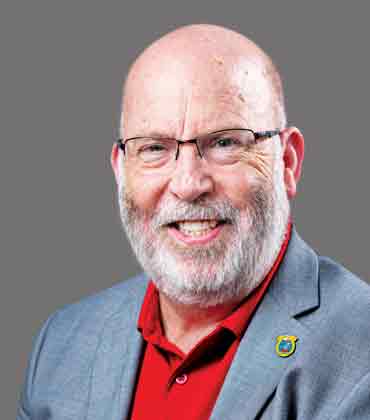
Horsham Township, PA
A New Outlook for a Community in Motion
Larry Burns, Director of Community and Economic Development, Horsham Township, PA
Economic development often takes shape where business needs and community opportunities intersect. At Horsham Township, Larry Burns brings that perspective to his role after 30 years as a commercial banker. His connection to the township grew through community service, including 12 years on the police pension advisory board, 3 years on the township’s planning commission, and 7 years of service on the Horsham Township Authority for the NAS-JRB Willow Grove. That involvement included redevelopment planning surrounding the former 862-acre Naval Air Station – Joint Reserve Base Willow Grove, which closed in 2011. When Horsham adopted a new master plan for its business parks in 2016, the plan called for creating a Director of Community and Economic Development position at the township. The newly created role soon brought Burns into a conversation with the township manager over lunch. He hoped he was there to pitch the township’s banking, but the manager was there to pitch him a potential job, which ultimately opened the door to working for his community.
Government Relations

Serving the Community, Scaling with Smart IT
Kent English, Director of Communication & Information Systems, Dona Ana County
Govt Consulting
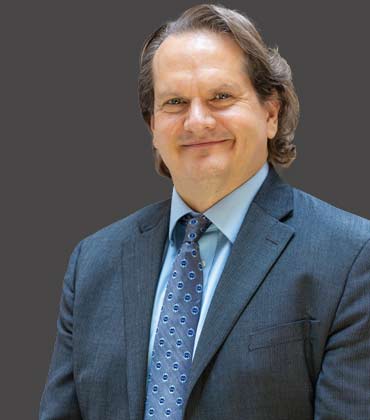
Rebuilding Civic Systems Through Technology and Trust
Jeff Auker, Director of Development Services, City of Hartford
Govt Consulting
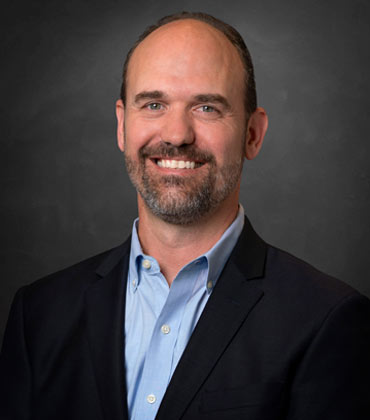
Building Bridges between Spaces and Communities
Ziad Kharrat, Assistant Director of Parks and Recreation, City of Denton
Govt Consulting

Making Municipal Finance Accessible
Matthew Lue, Director of Finance, City of Columbia, Missouri
Public Affairs

Strengthening Public Trust through Communication and Engagement
Jenny Tan, Director of Public Affairs and Intergovernmental Relations, City of Davis
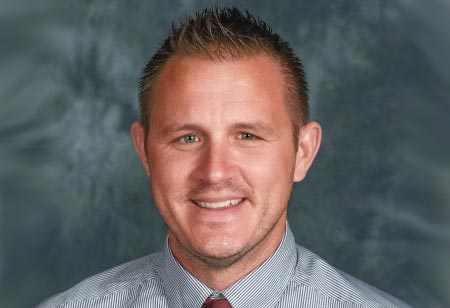
IN MY OPINION
Government HR
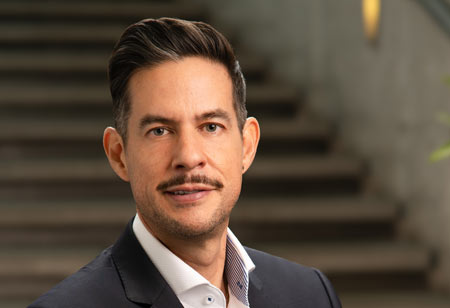
Making Local Development a Community Conversation
Josh McEnany, Community Development Director, City of South Daytona
LAST WORD
Justice and Public Safety
The Power of Public-Private Partnerships In Building An Inclusive Economy
Beto Yarce, Director Office of Economic Developmet, City of Seattle
IN FOCUS

Digital Governance: Improving Federal Program Delivery through Technology
Summary: Digital technologies help government agencies improve program oversight, streamline administrative processes and strengthen accountability in public service delivery.
Trends in Government Relations and Public Affairs: Advancing Strategic Engagement
Early engagement can support organizations in gaining insights into other viewpoints, recognizing possible concerns and formulating more realistic policy positions.
EDITORIAL
Building Opportunity through Public Leadership
Leadership in the public sector is effective when investments result in permanent opportunities, better communities and sustainable growth in response to public demands. This issue of Govt Business Review features leaders and organizations who have done just that.
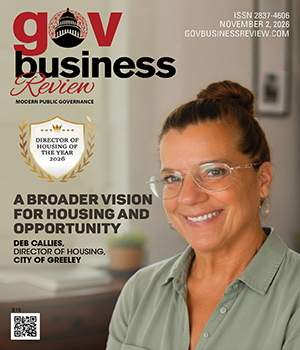
On the cover is Deb Callies, Director of Housing for the City of Greeley and recipient of the Director of Housing of the Year 2026 award. She brings housing policy into sharper focus as a foundation for economic mobility, connecting affordability with access to education, employment and opportunity.
Secure Headset Group® (SHG), recognized with the Top Federal Communication Headset System 2026 award, addresses another essential public-sector need through reliable communication equipment and lifecycle support for mission-critical environments.
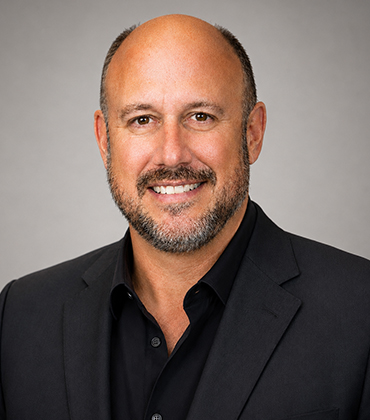
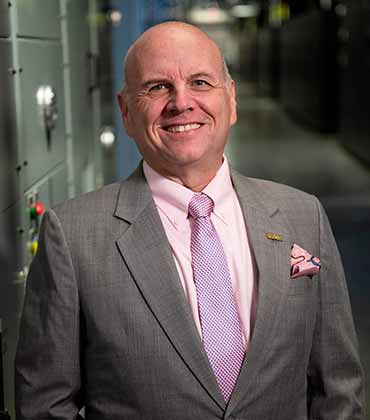
The edition also recognizes Top 10 Economic Development Directors 2026. Adam Ruechel, Administrator & Economic Development Director for the Town of Freedom, focuses on advancing responsible growth while preserving community character. Buddy Rizer, CEcD, EDP, Executive Director of the Loudoun County Department of Economic Development, talks about strengthening economic diversification and community investment.
Larry Burns, Director of Community and Economic Development for Horsham Township, PA, supports business development and long-term redevelopment of former military properties. Alora Wachholz, Director of Economic Development and Executive Director of SEDC, at the City of Seguin, has been a promoter of community-driven development and workforce opportunities.
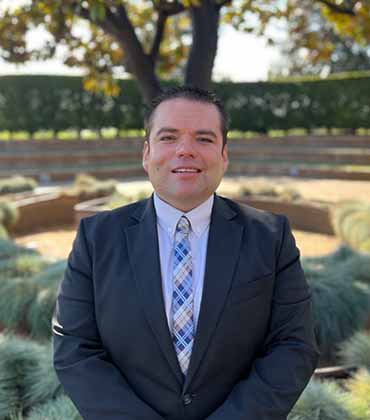
Stephen Prestesater, Economic Development Director at the City of Milton, underscores the need to tackle issues related to housing, infrastructure and planning. Benigno Sandoval, Economic Development Director for the City of Hemet, advocates advancing proactive business recruitment, small-business support and data-driven economic diversification. Alex Philips, Economic Development Director at Burleson EDC, is building business relationships and aligning workforce initiatives for sustainable growth.
Explore the edition further to discover how public-sector leaders are turning strategic vision into stronger communities and lasting opportunity.
